[00:00:00] Speaker A: Foreign.
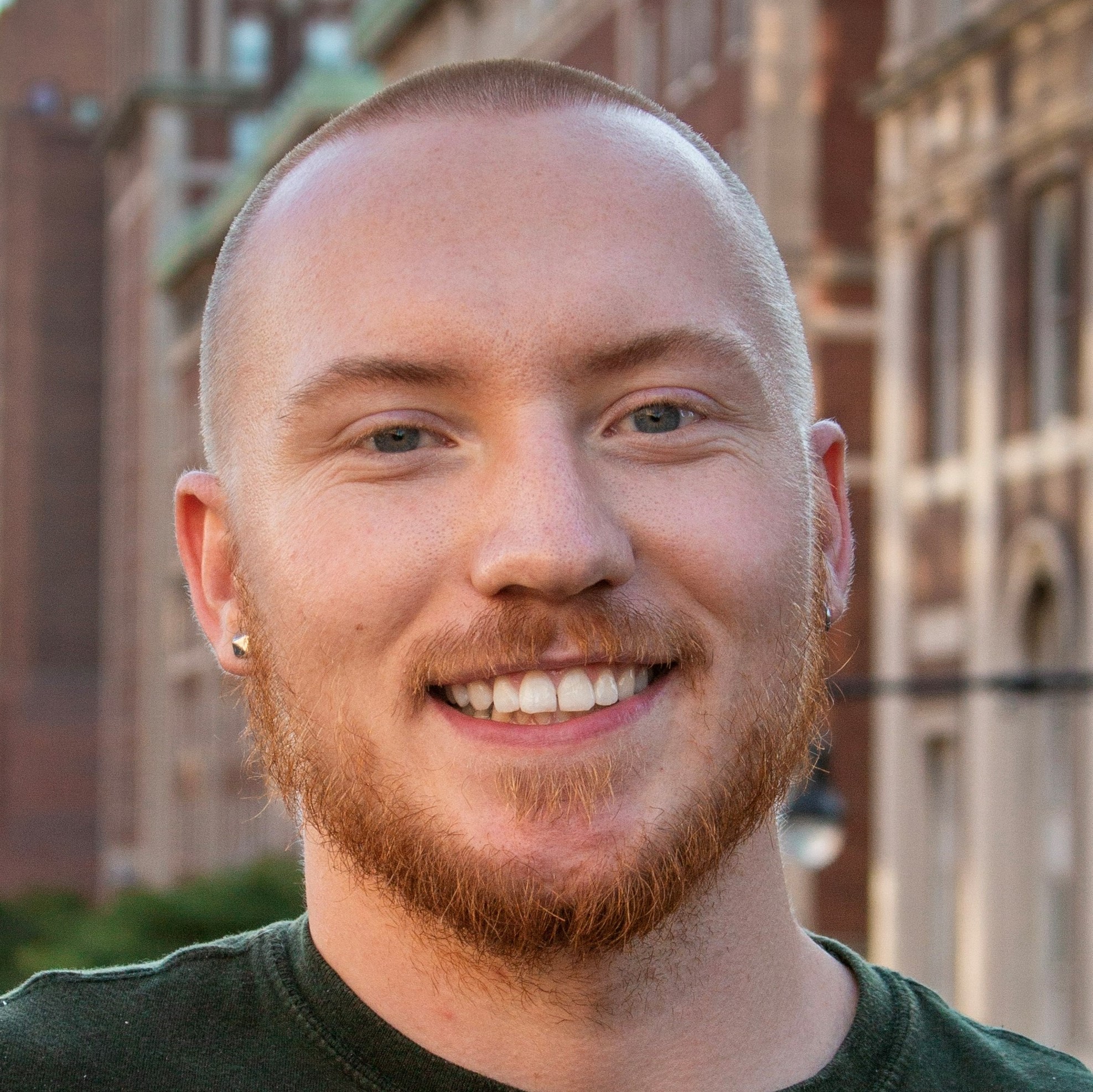
[00:00:18] Speaker B: Welcome to Uptown Chats, a podcast where we share stories about environmental justice by and for everyday people. I'm your co host, Jaron.
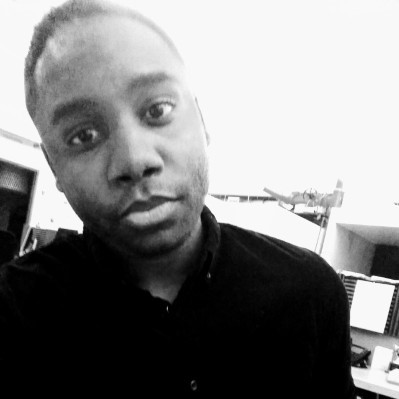
[00:00:26] Speaker C: And I'm your other co host, Lonnie.
[00:00:28] Speaker B: And today we have a special episode for you to celebrate the holiday season and share some stories from the environmental justice movement.
[00:00:35] Speaker C: Yeah, this has become a bit of an annual tradition for us at this point where we gather around our imaginary fireplace, grab a nice hot beverage and enjoy some heartwarming stories from leaders in the movement.
[00:00:46] Speaker B: And today we have the pleasure of hearing From Leslie Fields, we ACT's Chief Federal Officer and longtime environmental justice advocate.
And we'll be hearing from her about how she got started with her work on environmental justice, how she met some of the founding members of WE act, including our executive director, Peggy shepherd, and how she helped create We Act's Federal Policy Office in Washington D.C.
but before we hear from her, Lonnie, Will you share WEAC's mission?
[00:01:15] Speaker C: Absolutely. We act's mission is to build healthy communities by ensuring that people of color and low income residents participate meaningfully in the creation of sound and fair environmental health and protection policies and practices.
[00:01:26] Speaker B: Thank you, Lonnie. Well, with that, let's curl up by the fire and let the storytelling begin.
[00:01:36] Speaker C: Twas the week before Christmas, and all through the year we shared stories and voices for our listeners to hear. Each episode brought us new lessons and guests, plus policies and plans and occasional jests.
[00:01:49] Speaker B: We started the year with air quality and pollution and explored some potential clean energy solutions.
Our first book club was followed by Schools Green and Healthy.
Now we're wrapping it up with a tale of what can be.
[00:02:04] Speaker C: So gather around and lend us your ear for we ask. Leslie Fields is joining us here. She'll tell us her story and the people she met and share some of the victories we were hoping to get.
[00:02:17] Speaker B: Thank you dear listeners, for, for all that you do for joining our journey the whole season through.
Now sit back, relax as the episode starts with stories and laughter to warm all our hearts.
All right, well, thank you so much for joining us, Leslie. We're super happy to have you on this very special episode of the podcast celebrating the year that we've had and just having this opportunity to share some stories. It's kind of a tradition now that Lonnie and I have established for the podcast of just doing some storytelling, reflecting on key stories in the environmental justice movement and some key figures, including yourself, especially in your role in making WE ACT what it is today, especially the Federal Policy Office. So before we get too far in we just want to give you a chance to quickly introduce yourself and just share a little bit about your role at WE Act.
[00:03:15] Speaker A: Oh, well, good afternoon. I'm honored to be part of this podcast and I get to be uptown chatting with you all.
And I'm Leslie Fields. I am the Chief Federal Officer for WIAC for Environmental Justice.
I am based in D.C. so I run the D.C. office with some amazing team members, and we're right at the base of Capitol Hill.
And I just wake up every day, count my many blessings that I get to work with WEAC and everybody in New York and our colleagues around the country with the Environmental Justice Leadership Forum.
[00:03:52] Speaker C: And anytime I've ever been around Leslie or in a group of, with a group of folks, everyone knows Leslie, and Leslie knows everybody in this movement or this space is what I've learned. And so we're definitely excited for you to be on here to just talk a little bit about some of the work you do and how you've gotten involved. But can you just kind of give us a little bit of your story and like how you got involved in the environment justice movement?
[00:04:13] Speaker A: Well, I came to all of this really organically, and I was blessed to have two wonderful parents and a brother. And I had wonderful paternal grandparents and I got appreciation from nature from them. We used to go fishing all the time, had very unrestructured summers with them. And then I got these scholarships to wonderful Quaker camps called the Farmer Wilderness Camps in Vermont and really did a lot of hiking and swimming there. And then I was in, I went to college in upstate New York and I made the crew team. And then we had so much snow up there, I would cross country ski to class instead of running in the ice and snow. So I really got into the outdoors because you kind of had to. Then I had lived in New York City for two years after college.
I worked on Wall street and it was a whole other person and I learned what I didn't want to do. But I, you know, I, all in all, I've worked at, I've lived and worked in New York for six years of my life. And I got into what was at the time just toxics work in law school. I went to law school in Washington, D.C.
and worked at this farm worker advocacy organization and got involved with, you know, learning about toxics and how they were applied in our systems and how they were not being regulated, but really not being regulated in the regulatory system, and then also learning about pesticides and their effects. Then I worked at the Washington Bureau and NAACP and some other places and got a very good education in civil rights and decided to move out to Texas.
I was a Texas legislative counsel, and I started working on legislation on toxics, but then also learned that the communities had the most toxics were also the same communities that had less political participation, less civic opportunities.
And we're working on voting rights and redistricting, also with the volunteering for the Texas naacp.
And so kind of pulling all this together and running around the state of Texas learning about where in the maquilidores women were presenting with babies with birth defects and having miscarriages as the farm worker women and other women in other factories and women of color all over the place in that state, and then trying to find where the people were doing this work. And in 1992, I heard about this conference at Xavier University in New Orleans. So I drove out there. I did a lot of driving back then all over what was Region 6, Texas, Oklahoma, Arkansas, New Mexico and Louisiana. Went out to this conference at Xavier University. And it was Dr. Beverly Wright's first conference. She taught there at the time. And that is. It was a key moment for me because that's where I met Dr. Bullard and Ben Chavis and Charles Lee and Peggy Shepard. And Charles Lee told me that I needed to meet Vernice Miller. And I told him how I used to go, I would go to New York on my holidays.
And he said, well, you should really reach out to Vernice Miller, who was working at the Natural Resources Defense Council at the time, nrdc.
And I went to New York City for New Year's and I cold called her and she invited me over to her house for brunch. She didn't know me from Adam. Okay.
And so I went to her lovely apartment over there by off a convention by City College. Her mom was still living at the time.
And turns out we had a mutual friend that I had met in. At that camp in Vermont who had gone to high school with her. And so we had. She's had. They had. She had her picture of them, that family in a Christmas card in a frame. And so we just hit it off right away. And one of the things I want to say about that also is that when someone takes you aside and gives you their best advice, consider taking it. I could have easily not followed Charles advice. I could have easily not called Vernice, thinking, oh, that woman doesn't know me. Why would. Why would she have me? You know, why would she be bothered with me?
I probably would have met Vernice later on in life.
But I met her at a really critical time and she, you know, she later got married. So now she's Vernice Miller Travis. And she and Peggy co founded we act.
And she lives here in the Maryland suburbs. And she's one of my closest and dearest friends. And it's a blessing to have her as a colleague as well.
So that was a huge turning point for me. They had, you know, they co founded we act. So that is really how I got inducted and learned about weac was meeting Peggy and Vernice.
At that time in my life, when I was. There was no. The movement had started, but everybody was. There were no jobs. There was just gelling. It was just getting together, finding people who were doing related work in the regions. And I missed the first People of Color Leadership summer the year before because I had just moved out to Texas and I just couldn't get back in time. I remember hearing about it, and that's why that conference was so important, because people came together. And if you ever watch the video, you'll hear Venice and Peggy talk about how they thought they were the only ones dealing with this issue. Everybody came together thinking they were the only ones dealing with this issue. Charles Lee had the vision to do that. And that's when things really started taking off, as you all well know. So but at the time, it was very. We were all just out there and it was very, you know, it was very lonesome, actually. And people, you know, I'm driving around all over the state. And then I got. I was volunteering at the Lone Star Chapter at the Sierra Club as well, so at the local Texas Sierra Club. And they were very helpful. And I was getting in trouble on my legislative council job because I was doing so much of this work.
And so I decided I wanted to do this full time.
And I made up what I thought was a job description business plan rather, and gave it to Ken Kramer, who was the director of the Lone Star chapter of the Sierra Club at the time. Wonderful gentleman became a mentor and he said, well, Leslie, I can scrounge. And I said, here, Ken, we have to. You mean back then it was just environmental equity. You all should be doing environmental equity. I'm the one to do it, and I can put together a program and we need to do it. And with NAACP and these other groups, Poder People in Defense of Earth and their resources had started up in Austin with Susannah Almanza. Podera is part of the EJLF still. And Susanna was a huge mentor for me. My first cases were that I worked on were in Austin. And Susanna really whooped up on me for good reasons. But Ken laughed and he said, well, I've got $5,000 I can scrounge up. After that, you're on your own.
So I left my cushy state job and I made the leap and started working for the Texas Sierra Club and had to raise my own money, all while doing the work. Okay, so that was a challenge, but made it work.
So that's how I got started in Texas.
[00:11:35] Speaker B: I appreciate you kind of walking us through this clearly long standing trajectory of your pathway, because it sounds like it was a long time coming. You had all these moments kind of throughout your life that were really pushing you in this direction and kind of finally brought you to the space with a lot of familiar names that we've heard on the podcast. You know, we love Vernice. We've had her on the podcast several times. She's a fan favorite. And to hear this kind of very pivotal point, it sounds like in your life of, like, meeting Vernice and kind of taking that leap of faith, like you mentioned, which is sometimes hard to see those moments when you're in them. But looking back, you see them very clearly. This opportunity of I'm so grateful that I just did the thing, you know, like taking Charles's advice to just.
[00:12:13] Speaker A: And, you know, just able to be entrepreneurial about it. Right?
[00:12:18] Speaker B: Yes.
[00:12:18] Speaker A: And also, you know, I had grown up in Cleveland area. I saw a lot of pollution as a little kid.
Lake Erie, the Cuyahoga river. And, you know, it was very normalized.
And so back then, we didn't have the Clean Water Act, Clean Air Act. I'm that old, you know. And so Mayor Carl Stokes, first black mayor of a major city, really doesn't get the credit for cleaning up the Cuyahoga River. Everybody hears about how it burned, but they don't hear about how it got cleaned up. He got it cleaned up. He got helped get the Great Lakes cleaned up because his brother was Congressman Louis Stow. So it was a one, two punch. And then they were advocating. And that's how the Ohio EPA and then the federal EPA were created. Not just out of thin air, but there were communities. He really put those connections together. Poverty, environment, and back in 1970.
And I think that people were making those connections, but there wasn't a national ethos about it as there is now. And so. But a lot of people had to have sacrificed and died and struggled and suffered in order to build this movement up. And I'm Just again, honored and privileged to be able to. Been supporting that movement. At that meeting in 92 at Xavier, I also met the late, great Luke Cole, who was an environmental justice attorney. He started the center for Race, Poverty and the Environment.
And that is where I really. I listened to his presentation on this case called Kettleman City in California. It was about. It's a pesticides case and the way he had structured that case and the remedies for that case. And I sat in the back of that classroom, and I was like, this is what I want to do. I want to be that lawyer like Luke Cole. And one of the things about Luke is that he said, lawyers should be on tap, not on top. And I've tried to live by that.
Luke, unfortunately, passed away, was a great friend. We miss him very, very much. But he was brilliant and broke that open.
So things were punching through. We were starting to gel, and then we had to push on. The agencies, you know, local, state, and federal.
And so, yeah, it's. It's. It's really been a great journey, and it's become global, as you all know. So that's the other beautiful thing. And that I love EJ because anybody can be involved in it. You can be a kid, you can be a wela grandmama.
You can be a professional educator. You can be a tech, you know, technical person. You can be an artist.
[00:14:53] Speaker B: You can.
[00:14:54] Speaker A: And the culture work on EJ is just as important because once we are able to preserve the. When we preserve the environment, we preserve people's cultures, and I think that's what makes life worth living.
[00:15:06] Speaker C: It's fascinating to kind of think about the environmental justice movement before it was a movement. It's kind of like you're talking about. It was a little bit of a vibe session before, right? Everyone was, like, talking about, hey, I've got this thing. Similar happening here. You've got the same thing.
[00:15:19] Speaker A: And.
[00:15:20] Speaker C: And it kind of started, as you said, environmental equity is what it was called before it was environmental justice.
[00:15:25] Speaker A: Right where I was. Yeah.
[00:15:27] Speaker C: And so it's really interesting to think about that now as someone who's, like, in this space and working in this space, that it didn't exist as it is right now all the time. And I think sometimes it's hard to kind of see what some of the precursors were for a lot of that work. And again, I told you all, she knows everybody and everyone knows Leslie. And so you see all of those lists of names.
[00:15:45] Speaker A: Well, you know, I mean, Dr. Chavis had called it environmental racism back in 82 in North Carolina. But I wasn't part. I wasn't there, and I didn't hear about it till much, much, much later. So that's. To your point, lj, is that it was happening in places all over and being called different things all over. And so, you know, I started first working on Texas Sierra Club with school sighting cases.
And I'm. That still is a problem. I, you know, I, I still can't get. I've seen schools, black and brown kids next to synthetic rubber plants and coal plants and refineries and landfills on top of landfills. I mean, they will put schools for our children anywhere. And it's still an outrageous situation. And so that's a frustration. Like lead. Lead is still out there, it's still neurotoxin, and it's still a problem everywhere, whether it's lead service lines or lead paint or other materials that have lead. Lead is bad for kids, and we all know that. And so there's still some things, but there's also to see the movement evolve.
And like I said earlier, you can get involved in so many ways that that's what makes it so exciting and dynamic and messy, too.
[00:17:10] Speaker B: Absolutely. And I appreciate you bringing up some of those environmental justice issues that are still around today, because it's a fine line that we walk in this episode of reflecting on some of these key moments and the trajectory of the environmental justice movement, but reminding ourselves that we're still in it. Like, this work is still being done. It's happening today. There's still so many issues that are. That we're in the middle of addressing and seeing what we can make happen there on that thread. I just want to circle back and continue our storyline. We kind of heard this moment for you connecting with Peggy and Vernice and kind of that. That momentum that came out of that. And if we fast forward far enough in that story, we find you eventually helping to play a big role in WEX history and helping to create the Federal Policy Office. So I want to fill in that gap there and hear from you if there's any key moments for you that happened in that time period. And if you want to share a little bit more about what went into you helping to contribute to make the Federal Policy Office a thing. And. Yeah, just. Just hear a little bit of that story.
[00:18:13] Speaker A: Sure. So fast forward. Then I moved back. I went out to California for. And then I went back to Texas, and then I went. Then I moved back to D.C. and I was the. Let's see. I did some International work. I was international director for Friends of the Earth for a few years and a lot of work on Gasolaring in Nigeria.
That's another uptown chat. But was still in touch with Vernice and still in touch with the EJ folks because I knew a lot of them in California and in Texas. And then I did some political work. And then I ran into someone, a very good friend. Now, his name's Bob Bingham, and I have to give him credit, like Ken Kramer, who I mentioned. I ran into Bob, and he was at the National Sierra Club and was the organizing director.
And so I was consulting and looking for jobs and trying to figure out what to do. I was also frustrated. I was trying to.
I was applying for jobs at these major environmental groups and was not. I mean, I was having four, five, six, seven interviews and being very frustrated with that. So he was at the National Sierra Club. I saw him outside of Union Station and he gave me. And so I was telling him that I'm looking, you know, for opportunities. And one of the things that I helped start green 2.0 because I kept a spreadsheet of all the jobs that I had applied to, how many interviews I had. And I was going to file a complaint to the D.C. human Rights Commission. And I had a friend from law school who did employment law. She said, leslie, you're going to have to do a study on that, and it's going to cost about 10, $20,000. Of course, I didn't have, because all you have is anecdotal evidence of this. And so they just weren't hiring professionals of color with my kind of credentials. And I went to pretty good schools. So I shelved that, but I kept that in mind. And then later I was able to get that money to help start the first study by Dr. Dorsetta Taylor from Yale showing that they. Now a lot of the groups are a lot better, but they were not hiring professionals of color.
There was support staff and other kind of staff, but they really were lacking in that. But that was going on at the same time. And I ran into Bob Ingeman and so he gave me what was a job description of.
The Sierra Club had a EJ program. Sierra Club has chapters in every state, sometimes more than one. And some of them had requested EJ organizers. So there were EJ organizers in different. About nine states. And. And Bob gave me the job description for the administrative assistant to help coordinate their travel and things like that.
And I took that home. I live on Capitol Hill. And I walked home and I looked at it And I go, I know he knows I'm a lawyer. Why did he give me this job for an administrative assistant? And I got pissed off for about five minutes, and then I rewrote the job description to create a national program to do international and national work and for me to be the director.
And I gave it back to him and I said, this is, this is what you all should be doing. I'm the one to do it. Kind of like what I did in Texas, but very importantly, I would need more money. And he said, you're right. Let me see what I can do. And so that's how I got into the Sierra Club. That is how I got into the big greens.
So few years, about five years later, having stayed in touch with Peggy and Cecil, they were in D.C. and they came to me and they said, you know, we'd really like to have a D.C. lobbyist, but, you know, we're not going to have, we don't have funding for the office space. And I said, oh, I think it's a great idea. Let me see. I, we, we, we have space here. Let me make that happen. And so I had to do a lot of internal arm twisting, a lot of negotiation, but got them office space.
At the time, the Sierra Club had two floors here in this building. We're on 50 F Street Northwest, and we had the seventh and eighth floor, and there was plenty of space on the seventh floor. So I was able to get. They had a small office, they had intern space, they had extra office space. They also had the run of the place. And they were, you know, I made sure that they were invited to the lobby team meetings that occurred every week.
So the first person they hired, as you all know, is Dr. Jalon White Newsom.
And she has gone on to great distinction Kresge foundation, and then she was the first federal environmental justice officer in the Biden administration. And now she's a professor at University of Michigan. And then the second person they hired was Dr. Adrian Hollis, Esq.
And she has a Ph.D. and a law degree and come up from ATSDR, had worked with Drift justice, and now she's a Senior Vice President for Environmental justice at the National Federation. First came Jelan, and then came Adrian. And it was hard because for them, because they were only one person and there were so many issues to keep track of and to keep in mind that the office here in D.C.
does not speak for the whole EJ movement. We are here to represent New York City, Harlem, and I think that's where our power is.
We're rooted in Harlem. And I think that's what's so important, that we're rooted in New York City and New York State.
And that gives us the great base that we have supplemented and complemented by the Environmental justice leadership forum of 44 groups. But that was. And it was a great association to have WEAC in the office. In fact, it helped me so much. And I think Sierra Club benefited more from having WEAC there and the fact that EGLF people were coming through and the Sierra Club, the National Sierra Club, could see that the EJ movement and that WEAC had very, very excellent experts and people in the movement who, you know, this was.
This is. This was. The movement was truly coming to fruition. So I think it was a great association.
And then everybody had to leave because of COVID And now the WE Act Federal Policy Office, we have our own office on the fifth floor of the same building. So we have a wonderful office here, again, like I said, right at the base of Capitol Hill, cross street from Union Station. And we welcome folks to come through. It's super convenient. So we've grown to be a premier federal office here. We have a great team at Government affairs and Policy people and a crack research team, and we have great communications work coming out of here.
So it's a very exciting office and we have a lot of fun and enjoy together.
[00:25:07] Speaker B: If you don't mind me asking, this.
[00:25:10] Speaker A: Is.
[00:25:12] Speaker B: The first question that pops into my head, just thinking about what that transition looked like for you. So clearly you were in such close proximity from your role with the Sierra Club and then kind of working in partnership with the folks that were in the WEAC DC Office.
What did that transition look like for you, now that you are a part of the Federal Policy Office?
Was there like a conscious, like, oh, I'm ready to make this transition into a part of that team, or was it serendipitous? Yeah, I'm just kind of curious what that story is.
[00:25:41] Speaker A: That's a great question. So it wasn't that linear.
My life is. My career is not at all. It is making it up. It is making a way.
Every major job I've had, I've had to make up pretty much, well, you've.
[00:25:54] Speaker C: Rewriting job descriptions that were handed to you. I think that's more people to do.
[00:25:59] Speaker A: That, and I highly recommend it. You have to have an. I mean, it kind of requires being a little entrepreneurial, and then also that you have to fundraise. All right. And there's that part. You have to Be mindful about the funding. And the funding has always been hard and still is. So the transition, I mean, I left Sierra Club in 2023, and I went to work for the Department of Energy, the Office of Energy, justice and Equity, and my friend Shalonda Baker, the director, recruited me. We were friends. I'm an avid bike rider.
We have great bike trails here. So we bike riding together. I also, while at Sierra Club, did a lot of nominations, even in the Biden administration.
Administrative nominations, judicial nominations. As part of our democracy work, we had a democracy program that I was part of. My. I left Sierra Club. I started out as the director of the Environmental Justice Program, but I then ascended to become the national director for policy, advocacy and legal. So I was directing the legal program, the policy team, and the advocacy team, which meant democracy, the labor program, and some other things.
So I had helped Shalonda get confirmed.
So she brought me into EJE as a consultant to help create the Regional Energy Democracy Initiative, the redi.
So I did that for almost a year.
And Shalonda left.
She's at the University of Michigan, too.
And I started realizing that the federal government was not what I thought it was going to be. There's an enormous amount of bureaucracy, and I promised to stay to help launch Ready Ready was being launched. So I fulfilled that commitment. And so transitioning into the federal office for we Act, Dana Johnson left. It was really just, you know, it was a very easy transition.
And because as you've been saying, I know a lot of these groups. I've been doing this work for a long time.
And so it really was a very easy transition. The difference is the way I knew. I thought I knew the way EJ groups are treated versus the big greens are treated, but have now living it. There's definitely some differences.
And I think that I was very sympathetic to it. And, you know, there's a. There's a definite perspective. And I think also some people when I was at Sierra Club looked at me sideways in the beginning. Some people, you know, I kind of got it from both sides. I got it from the justice work was not supported for a very long time. We had to fight for that justice work. We had to fight for the funding.
We actually had a donor, an anonymous donor who got outed because the executive director had people who didn't like him. So they added his favorite donors, his favorite donor who supported his favorite programs, and that was our program too. So. So there was some pretty nasty things that happened at Sierra Club.
We had to fight, fight, fight. And then Just, you know, but in no way compares to the way communities have to deal with their external threats, don't get me wrong.
And then as part of Environmental Justice Organization, this organization has such a great reputation and so much and clout, but still has to. We have to worry about the threats. We have to worry about the threats to the ejlf.
To that end, I helped develop the center for Nonprofit Viability at Yale Law School this past year because was very worried that we needed a place to go for pro bono transactional legal help in case we got in our groups got letters of inquiry and letter and subpoenas and things like that. So I've been developing that with our friends, Professor Gerald Torres and then Michael Galluptor at Yale. And we had a huge convening in June at NYU Law School. And over 30 EJ clinics came through from different schools, different groups like. And now we've got the ACLU involved, lawyers, government and different nonprofits like NAACP and Land Loss Prevention Project and others, Green Latinos involved.
So that's been a tremendous thing and I'm happy that that's gelled so that we all can support each other in case something happens. Because this has been probably the most tumultuous professional year of my life in terms of policies and procedures and laws being overturned. And as quickly as they've been overturned in this administration, I've never seen anything like this.
And we really had to pivot often. And I'm very proud of the team and I'm very proud of we act that we have been able to be strong and also be resilient and to meet the mark and meet the challenge.
We've had to be there here for our federal friends, for example, we have lost a lot of federal capacity in terms of experts because they got fired, they've lost their livelihoods. I spent a lot of time at rallies in the beginning of the year in the cold federal rallies supporting our federal friends and the federal agencies because we need that data and we needed that, you know, their work. And we've been working, hardening for decades to make sure that the Department of Justice and the NEPA and HHS and all those agencies were developing environmental justice policies, especially in accordance to executive orders 12858 and 14096.
So I feel like we are the right people for the right time, and I'm very proud of our work. But we still got three more years of this administration and it's been really challenging. I'm running out of steam here.
Looking forward to a break at the end of the year. I'm grateful we have an organization.
We can do that. But everyone's been magnificent. But there's been some real damage done. But we are meeting that and we are holding the line and fighting back. And also we have proactive work we're doing and being on record so that when the tables turn and they will turn, we will be able to take advantage and leverage and accomplish many more good things.
[00:32:33] Speaker C: I'm so glad you kind of brought that up in, like, the moment that we're in right now and what it means to meet the moment. Last year, at the end of the year, we talked to Lisa Garcia, who was at the Environmental Protection agency, represented Region 2, which includes New York. And this was before the administration started. And so we asked about what her thoughts were going to be in terms of, like, what does the future of the movement and environmental justice movement look like?
And very obviously optimistic and left us kind of, you know, really hopeful about, you know, this movement has been, has continued to go, and they've faced a lot of different things over the decades. And I've heard this a lot lately. And I think I've even asked you and Peggy something similar about, you know, this idea that everything seems so unprecedented right now. And like you said, like you just said, there was such a whiplash, I think, between the two different administrations, between Biden administration, now the Trump administration. Can you talk a little bit about, like, what does this now look like kind of after this first year of this administration?
What is the. I don't want to say strategy. Right. I don't want to give away all of the things that we have up our sleeves in the EJ movement. But what is, what's the, what's, what are some, like, the next steps or what are the things that the Federal Policy Office here at we act. And with, like, all of the partners that you've named, what are the next steps for looking at the future?
[00:33:49] Speaker A: It's a good, important question, lj. So first off, we're doing what I call building power, building community. So we are building community.
And one of the fun things we do is that we have EJ salons.
And we just had one last Thursday night. And we every so often we just open up the office and people come in to gather and fellowship. We had a holiday cheer EJ Salon on peace and justice. And we recognized our federal friends and others who have lost their jobs and livelihoods this year, trying to keep them close. Some of them are developing new projects. And it's very exciting and trying to be that safe space here. And to that end, we are building relationships and building new EJ champions. This is the time of building and creating new, strong EJ allies. For example, we did a EJ Salon earlier this year, and we had a full panel on Capitol Hill. And we invited some people who were new and who also we had not worked with. And one of them was Representative Summer Lee from the Pittsburgh area.
She was on the panel and she met with us and we just hit it off. And so now Summer Lee and some of the new members of the House Natural Resources Committee and Senator Blunt Rochester, who's the new senator from Delaware. Summer Lee is now going to introduce, along with some other allies, the we're going to reintroduce the EJ for All bill from last session. And so we've developed new champs. You know, we're supporting a new and better House Environmental Justice Caucus. We've got some new folks on that, and we are definitely breathing life back into the Senate Environmental Justice Caucus. I helped get that started when I was at the Sierra Club with Senator Duckworth and Senator Booker. And Senator Booker was the Senate sponsor of the old EJ for all bill. So now we've got Senator Blunt Rochester and some other new senators involved. Senator Blunt Rochester is from Delaware, as I mentioned, and she's on the Environment Public Works Committee, a very important committee. And then Senator also Brooks from Maryland is also on the Environment Public Works Committee, epw, she's from Maryland. And they are the two black women senators in the United States Senate. We've never had two black women at the same time.
So now we've got five black senators, one Republican and four Democrats, Warnock, Georgia, and Booker from New Jersey. And then we have, like I said, Blunt, Rochester and also Brooks. So it's a mob scene up there. Okay, so we're developing new champs, and we are going to reintroduce the E.J. farall bill with more folks and more excitement. We are still fighting back all the, you know, the rollbacks that keep coming through from epa.
And it's super important that we are on record for that, commenting that and doing the rulemakings. And so we're also protecting against a harmful permitting package and we're also promoting democracy democracy principles to make sure that folks have the opportunity to be involved civically, whether it's, you know, at a city council meeting regarding a data center coming in or whether it's promoting some new type of support like Clean Energy Hub.
So there's a lot to do.
[00:37:06] Speaker C: I appreciate that and it seems like. And that's the theme of our policy agenda here at We Act. There's a lot of defense that's going on. But I like that you're framing this also as an opportunity to build new connections and new partners and to continue to build the movement and to continue going forward and holding the line where we need to.
I don't know. I'm always inspired when I've talked to a lot of folks who have been in this movement for a long time, that sometimes it can seem a time period where it feels like we're gonna be stuck or we can't do anything. But just hearing all the things that you're saying, like we're gonna keep going. This is not the first time, this is not gonna be the last time anyone's gonna try to knock us down or push us back in this movement. And I really appreciate you kind of coming on and talking a little bit about how we act is moving.
[00:37:47] Speaker B: Yeah.
[00:37:47] Speaker A: And we have some proactive campaigns. We have our Clean Air for the Long Haul campaign and we engage people defending these regulations. We have our Healthy Homes first campaign.
We are going to have putting our principles together, why we need holistic home remediation, electrification, heating and cooling relief, better weatherization policy. We're going to have a website and a new website for clean air for the long haul. And then we're working on against expansion of fossil fuel development and infrastructure called the Wrong Direction Campaign. You know, and we're the bridge to the, you know, we support our EJLF friends all over the country who are doing great work that we lift up and try to scale and support them as well and make sure that everyone is balanced. We, you know, this is the long haul work. It's a calling. I can't imagine doing anything else.
So I just appreciate this opportunity to be here at this time in the history and we are going to keep making history.
[00:38:49] Speaker B: And we appreciate you, Leslie, for all the work that you've done over your career and for also being with us here to share that story on the podcast and for all the work that you all are doing down in the Federal Policy office. It sounds like lots of great wins from this year, lots of opportunities and things to be excited about in the coming year.
And so with that, we, we thank you again. Come on down anytime. Okay.
[00:39:17] Speaker A: All right. Yeah, D.C. is still a lot of fun.
[00:39:21] Speaker B: Well, we'll make a trip. We'll have to come down and visit.
[00:39:24] Speaker A: Thank you. Thank you all so much.
[00:39:30] Speaker B: Thanks for joining us for this special holiday. Episode. If you like this episode, make sure to rate and review the show on whatever platform you listen on.
If you have thoughts about the show or suggestions for topics you would like us to feature in a future episode, we encourage you to reach out to.
[00:39:46] Speaker C:
[email protected] check out we act on Facebook at weact4ej. That's W E A C T F O R e J Instagram, Bluesky and YouTube. Weact4ej. That's weatt number 4ej and check out our website weact.org or for more information about environmental justice.
[00:40:08] Speaker B: Happy Holidays.